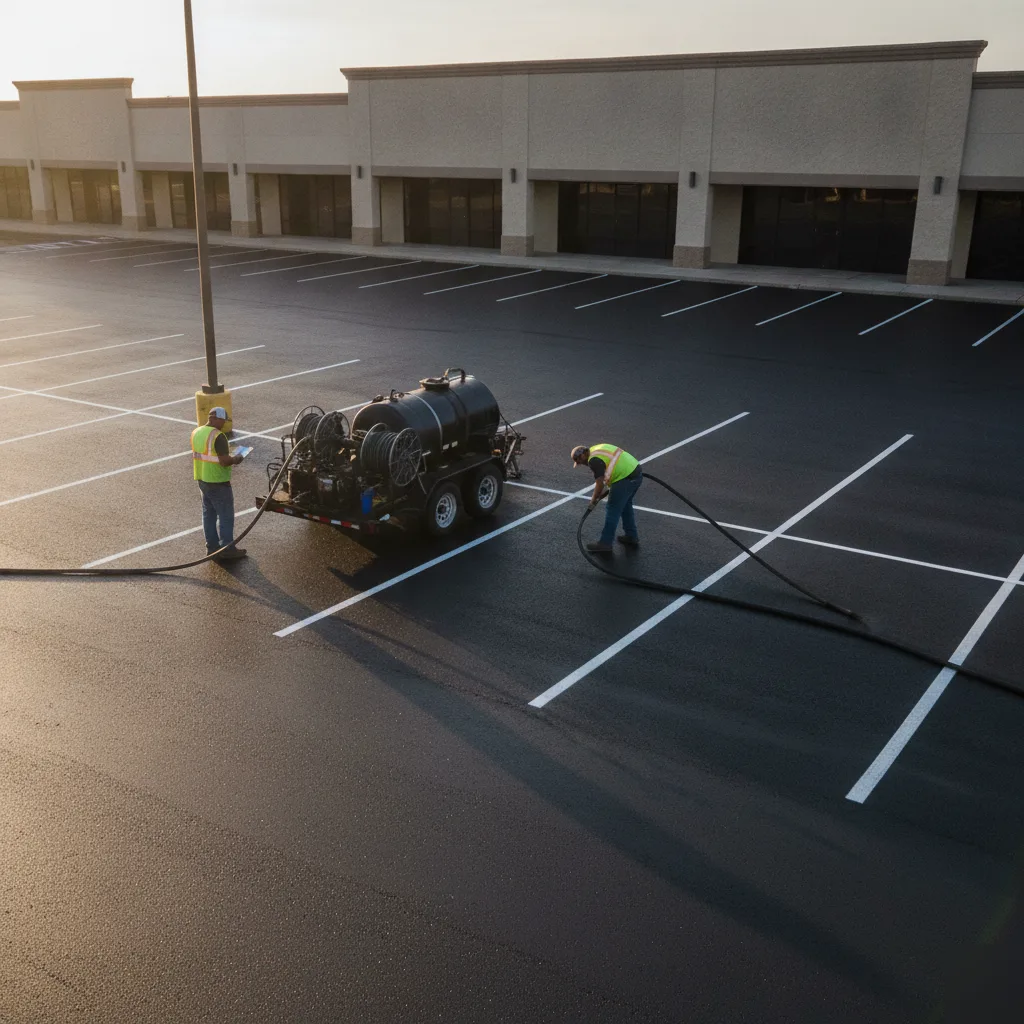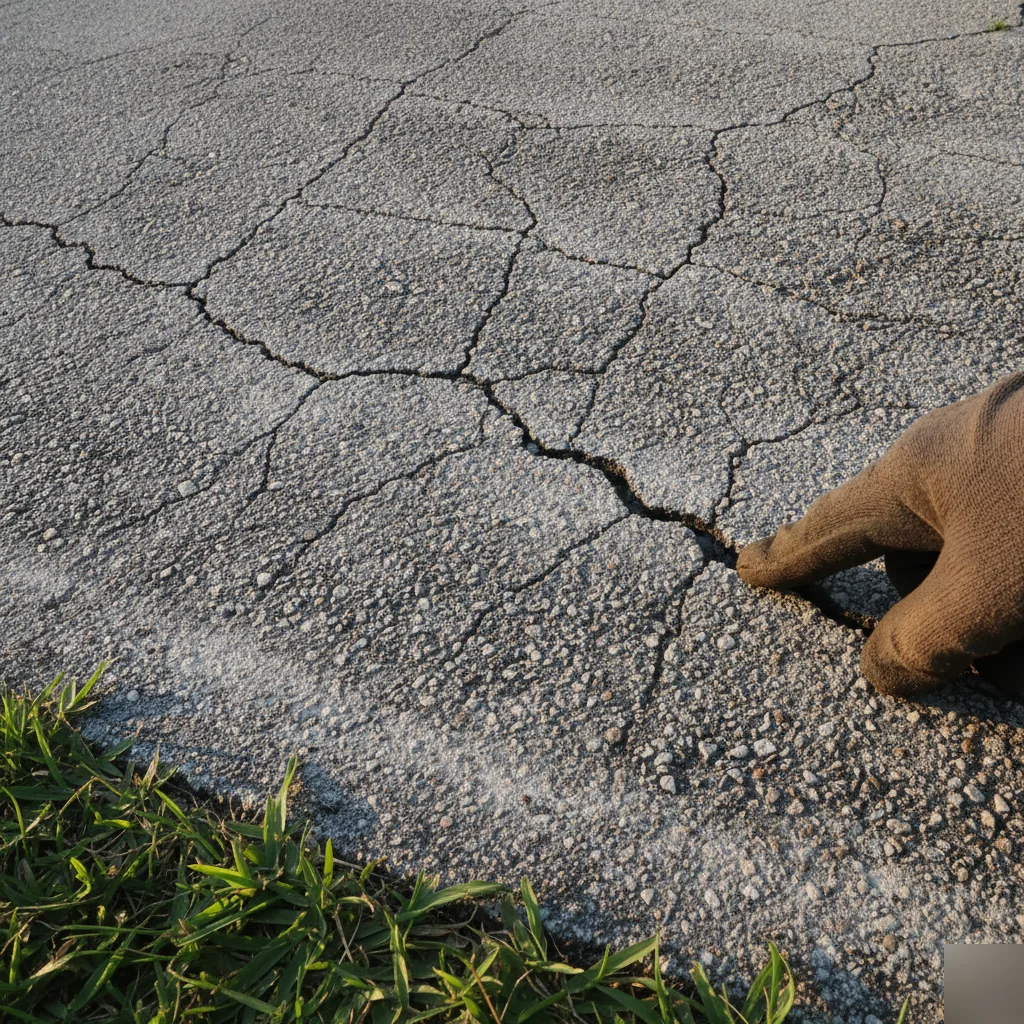
Volusia County's intense sun and daily summer storms bake the oil out of asphalt fast, leaving it faded, dry, and porous. Catch the warning signs early with sealcoating, and you stay in maintenance mode instead of tipping into a full repair. Below, we break down what to look for, when sealcoating isn't the right fix, and how it should be sequenced with crack filling and striping so your pavement — not your wallet — gets the protection it needs.
Faded, gray asphalt isn't pretty. It's asphalt that's lost its oil. When that oil is gone, water gets in fast.
Volusia County gets intense summer sun. Then afternoon thunderstorms roll through consistently. That combination bakes the asphalt binder dry. It floods every crack that appears. We see this every week on driveways and small lots, especially ones not touched in three or four years.
Here's what to look for before you call anyone:
Any one of those alone isn't an emergency. But two or three together, that's your asphalt telling you time is short.
Most property owners wait for an actual crack before thinking about sealcoating. By then, moisture usually works underneath. Sealcoating alone won't fix that; you need crack filling first. Catching fading and dryness early keeps you in maintenance, not repair.
Not sure if you're seeing normal wear or something worse? That's a fair question. It's hard to tell from a photo. A quick look in person usually settles it in about five minutes.
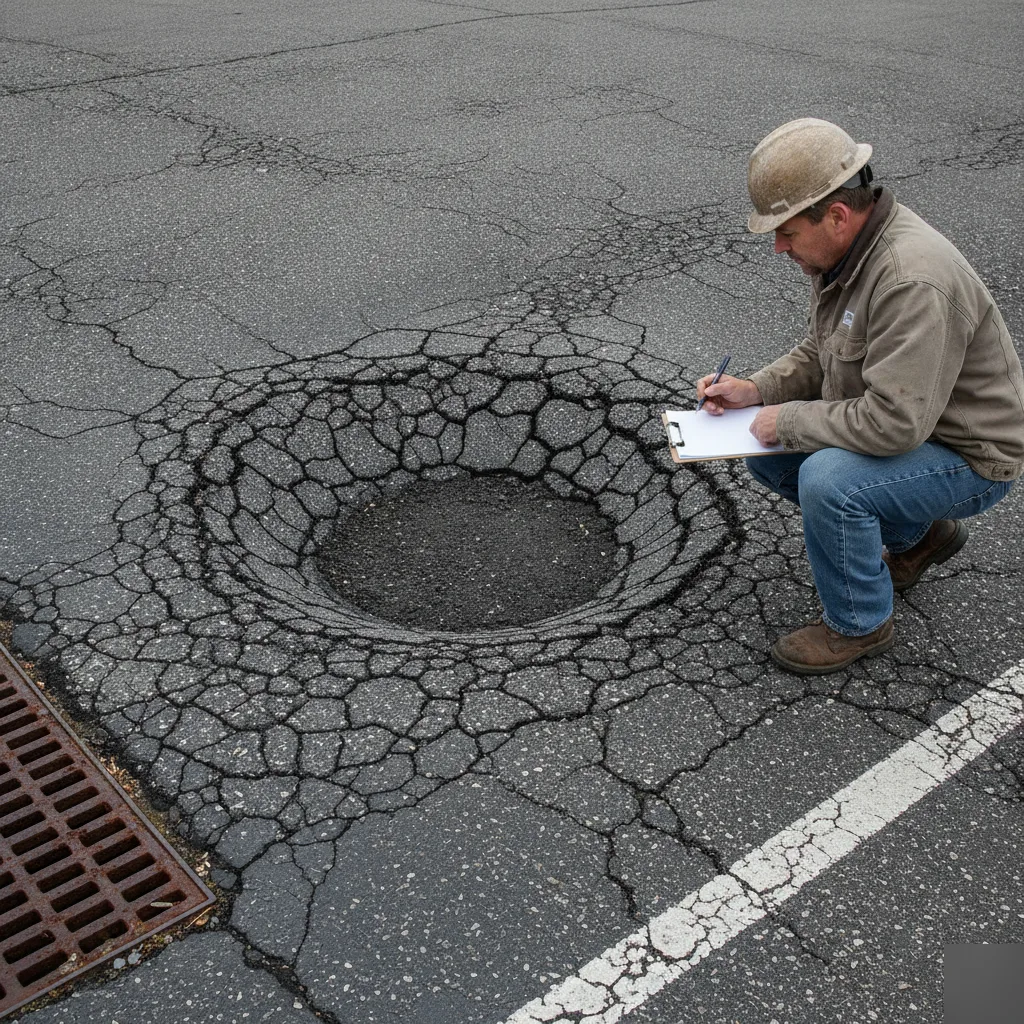
Sealcoating isn't a cure-all. I've walked many lots around Volusia County where an owner wanted a fresh black coat, but the real problem sat six inches down. Learn more about us as your Professional Asphalt Contractor in Volusia County FL.
Here's the honest answer: sealcoating protects good asphalt. It doesn't rebuild bad asphalt. If you see alligator cracking, that spiderweb pattern like reptile skin, sealcoat won't hold it. That's a base failure. It needs asphalt repair or resurfacing first. The same goes for potholes. Sealer over a pothole just hides it, not fixes it. It will pop right back through within a season.
Standing water is another red flag. If your lot holds puddles two days after a Volusia County downpour, that's a grading problem. It's not a coating problem. Sealcoating sits on top. It can't change how water moves across your pavement.
What about pavement with heavy edge crumbling or raveling so bad you see loose stone? That asphalt has lost its structure. No topical product changes that. Around Volusia County's fern nurseries and packing operations, we see access roads and loading areas take a beating from repeated heavy truck traffic. Those areas often need milling or a full overlay before sealcoating makes sense.
So how do you know which one you've got? Cracks under a quarter inch wide, faded color, minor surface wear - that's sealcoating territory. Cracks you can slide a coin into, chunks missing, or a soft, spongy feel underfoot when you walk it - that's a repair job. We'll tell you straight if your lot needs that. We'd rather point you to the right fix. Our free asphalt estimates always start with an honest look at what's under the surface, not just what's on top. You can see the full range of paving and repair work we handle at Blacktop by Beede Paving.
Order matters here. Do these steps out of order, and you pay for the same repair twice.
Crack filling always comes first. We fill and seal every crack before the sealcoat goes down. Why? Because sealcoat is a surface treatment, not a filler. It won't bridge a gap wider than a hairline. If you skip straight to sealcoating, that crack reopens weeks later, right through your fresh coat. We see this every week on lots where someone tried to save a step.
After crack filling cures, the sealcoat goes on next. It needs dry weather and time to set before anything rolls or walks across it. Around Volusia County, that means watching the forecast closely during our rainy summer. A job can get pushed a day or two if afternoon storms roll through, which they usually do this time of year.
Line striping is the last step, always. Paint needs a clean, cured surface to bond. Stripe over wet or soft sealcoat, and the lines lift, smear, or fade within a season.
So the sequence looks like this:
Jump the order, and you'll notice it fast. Stripes bleed into black patches. Cracks ghost back through weeks after the crew left. In most cases, a botched-looking lot isn't a bad sealcoat job. It's a sequencing problem from someone trying to save a day of labor.
Ask any contractor bidding your job how they sequence these three steps. If they can't answer without hesitating, make note of that before you sign anything.
Have questions? We're happy to help.
Here's what most property owners don't realize until they've been through it once. Sealcoating isn't just "spray and go." Do it right, and there's real prep work before we crack open a barrel.
First, we walk the lot with you. We look for cracks, low spots, oil stains, and any base problems the sealer would hide, not fix. More often than not, we find a crack or two that needs filling first. Otherwise, it telegraphs right back through the new coating within a season.
Volusia County gets its share of summer downpours. Sealcoating needs dry pavement underneath and dry skies overhead to cure properly. We watch the forecast closely and schedule around it, not around convenience.
During application, expect some noise and a strong petroleum smell for a few hours. That fades fast.
Sealcoating isn't priced from a chart. It's priced from the lot in front of you. That's the one with the cracks, the oil stains, and the drainage that never quite worked right.
Most contractors base a bid on square footage first. That's the starting point, not the finish line. From there, the number moves based on how much prep work your asphalt needs before a squeegee or spray rig touches it.
Here's what pushes a bid up or down:
Get your free estimate on Sealcoating today.
Sealcoat usually needs about 24 to 48 hours to cure before vehicles drive on it. Foot traffic can often return sooner, but cars, especially in Volusia County's summer heat and humidity, need the full window.
We block off your lot during this time so nobody tracks through wet sealer. Afternoon storms can push that timeline back a day. We always check the forecast before scheduling your job, so you're not stuck waiting on rain.
We start by walking the pavement with you to spot cracks, low spots, and oil stains before any work begins. Then we clean the surface so dirt and sand don't block the sealer from bonding.
Cracks get filled first, since sealer alone won't bridge a gap. After that, we apply two coats with time to set between them. You'll know exactly what's happening at each step, not just see a truck show up and spray.
Hairline cracks, faded gray color, and minor surface wear mean sealcoating will work. Alligator cracking, potholes, or standing water two days after a storm mean you have a base problem sealer can't fix.
Volusia County's sun-and-rain cycle speeds up oxidation, so lots that look fine can hide deeper damage. A five-minute in-person look usually settles which situation you're in. We'll tell you straight if repair needs to come before any coating.
Most driveways and small lots here need sealcoating every two to three years, sometimes sooner. Volusia County's intense summer sun bakes the asphalt binder dry, and daily thunderstorms flood any cracks that open up.
Lots that go three or four years untouched almost always show fading, spiderweb cracks, or loose gravel at the edges. Catching that early keeps your pavement in maintenance mode instead of tipping into a repair job.
No, cracks need filling first because sealcoat is a surface treatment, not a filler. Sealer won't bridge anything wider than a hairline, so skipping this step means the crack reopens within weeks, right through your fresh coat.
We fill and seal every crack before the sealcoat goes down. This order matters more than people expect. It's the difference between a lot that holds up and one that shows damage again by next season.
Crack filling always comes first, sealcoating goes on second, and line striping happens last. Painting over wet or soft sealcoat causes lines to lift, smear, or fade fast.
Sealer needs to fully cure before striping can bond correctly. Around Volusia County, that curing window can stretch depending on humidity and rain. If a contractor can't explain this sequence clearly when bidding your job, that's worth noting before you sign anything.
Don't wait until small problems become expensive emergencies. Call now for your asphalt inspection.