< Back to Asphalt Contractor

Asphalt Repair in Volusia County, FL: Stop Potholes and Cracks Before They Spread

Your driveway or parking lot in Volusia County takes more of a beating than most. Between subtropical downpours from June through September and the daily grind of ag trucks and fern nursery haulers, sandy Florida soil moves differently under asphalt than it does almost anywhere else. That's why a hairline crack today can turn into a full-blown pothole by the next storm. Whether you're dealing with alligator cracking, sunken spots that hold water, or a pothole that keeps coming back no matter how many times you fill it, knowing what your pavement is actually telling you is the first step to fixing it right. Below, we break down what to look for, when a small crack isn't worth worrying about yet, and when it's time to call in a licensed asphalt repair crew.

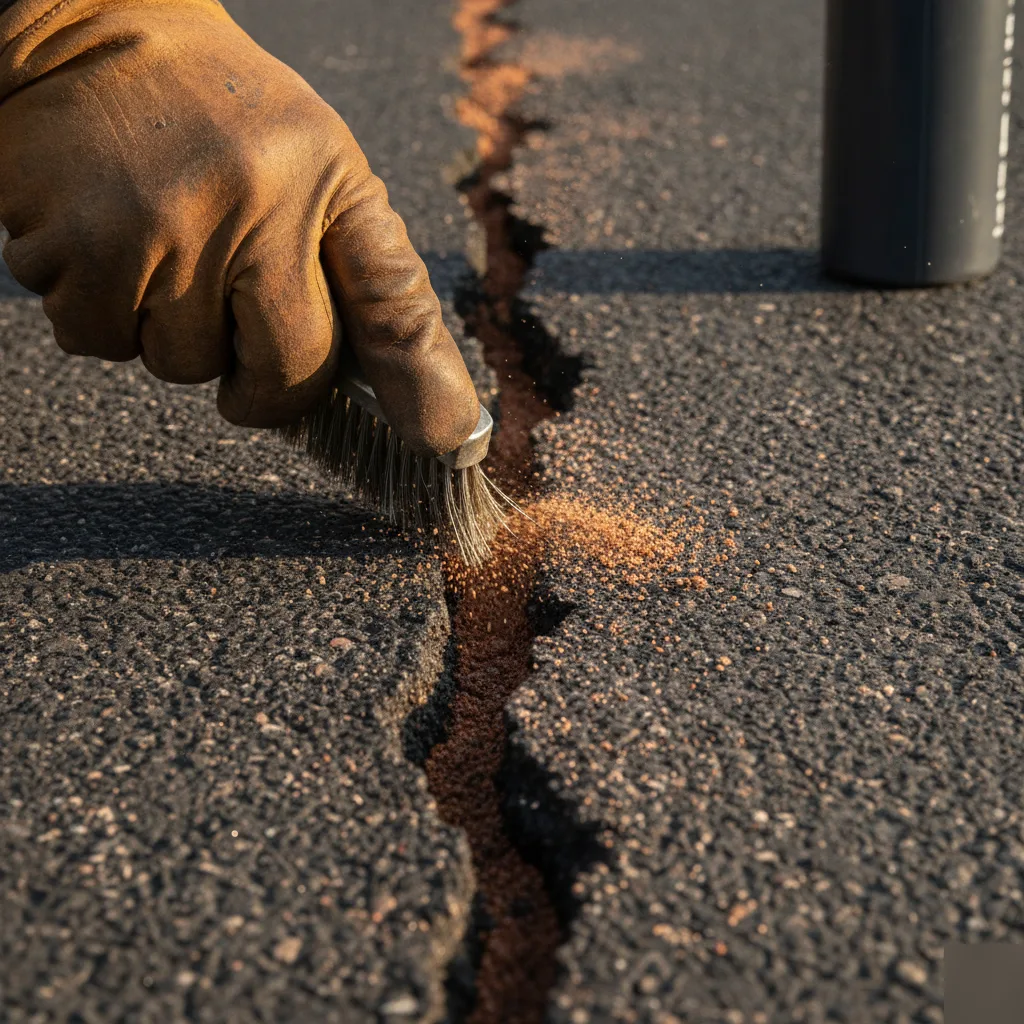
Hand cleaning asphalt crack debris before repair in Volusia County driveway

Cracks, Potholes, and Sunken Spots: What Your Pavement Is Telling You

Asphalt talks. Most property owners just don't speak the language yet.

A hairline crack isn't just a cosmetic problem. It's water finding a way in. Water under the surface softens the base layer. That's when small cracks turn into potholes almost overnight. The pothole you're staring at often started as a crack ignored months back.

Here's what we look for on a site visit:

  • Alligator cracking. Chunks of connected cracks that look like reptile skin, usually a sign the base underneath has failed
  • Linear cracks running along the same path, often over a joint or old utility cut
  • Sunken or "birdbath" spots that hold standing water after rain
  • Crumbling edges around drains, curbs, or the apron near a building entrance
  • Potholes with soft, spongy edges, not just a hole but a sign the area around it is failing too

Volusia County sits on sandy soil. Fern nurseries and ag trucks run heavy loads through the area. This means the soil compacts differently than pavement built on clay or rock. We often see it show up as sunken tire tracks near loading zones, long before the surface itself cracks.

What's normal wear, and what's a red flag? A few surface cracks after a hot summer? Pretty normal. Sunken spots that collect water every time it rains? That's a base issue. It won't fix itself. Ignore it through one more Florida wet season and you're not looking at a patch anymore. You're looking at a full section replacement.
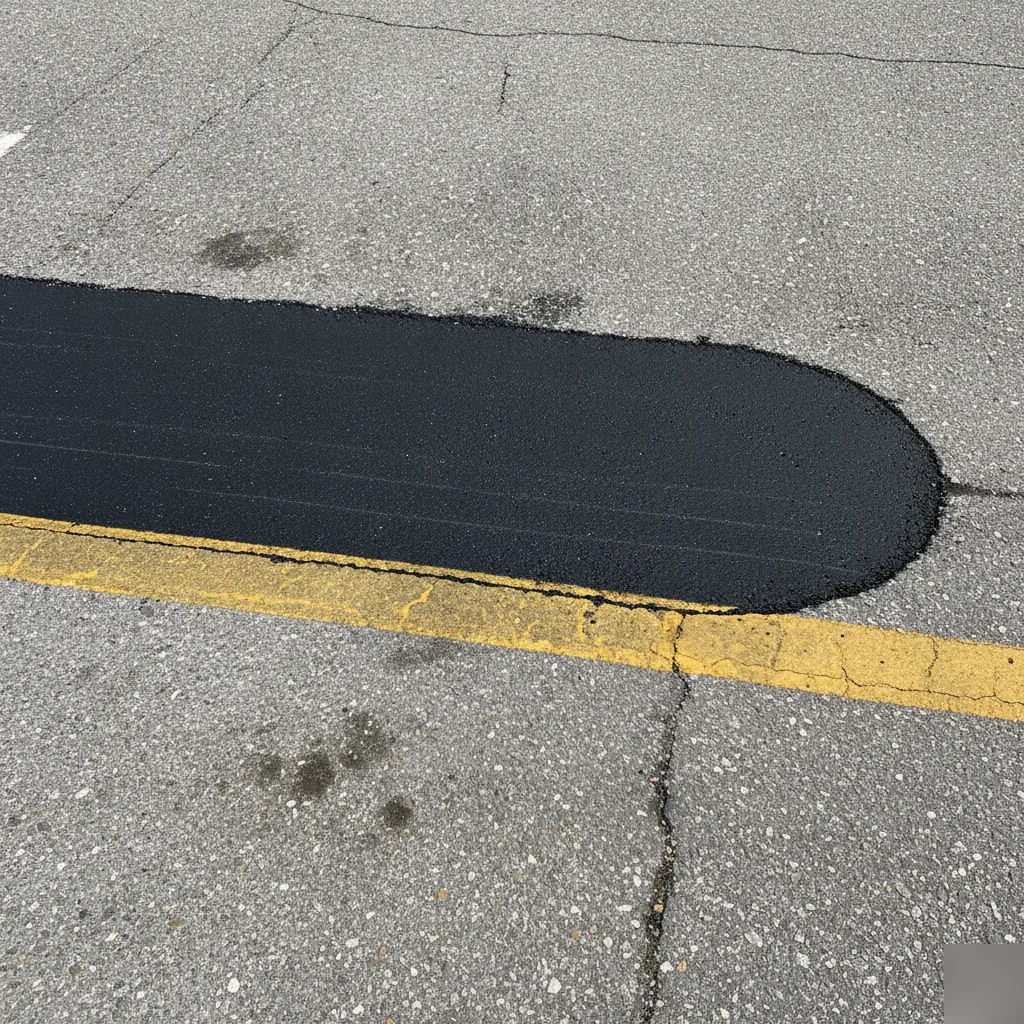
Freshly patched asphalt surface blending with older pavement in Volusia County lot

Repair, Resurface, or Replace: Matching the Fix to the Damage

Not every crack needs a full tear-out. We tell folks that when we walk a lot in Volusia County and see spalling near the edges. Small stuff, alligator cracking that hasn't reached the base, potholes under two feet across, that's patch and repair territory. It's fast, targeted work. It buys you real years if the base underneath is sound. Learn more about us as your Professional Asphalt Contractor in Volusia County FL.

Resurfacing is the middle move. If the surface is worn thin across a big area, but the base hasn't failed, we mill it down. Then we lay a new asphalt layer on top. This works well on driveways and lots that have seen years of steady use without structural failure. The ag trucking in Volusia County, the fern haulers and delivery trucks running out to the nurseries, put a lot of weight on private drives and access roads. That kind of load stresses the surface long before it breaks the base. These properties are often good resurfacing candidates.

Full replacement is a different conversation. When the base has failed, or you've got wide alligator cracking with rutting, or water has been sitting and softening the subgrade for a season or two - patching just delays the inevitable. I've walked lots where three rounds of pothole patching got done before anyone called us. By then, the base was gone under half the property.

So how do you know which one you need? Ask what's happening underneath, not just what you see on top. A contractor who only offers one type of fix usually recommends that fix, whether it's right or not. That's why we lay out asphalt paving, resurfacing, and replacement options side by side. Our asphalt contractor serving East Central Florida team walks the property first. Then we tell you straight which category your damage falls into.

When a Crack Doesn't Need a Repair Crew Yet

Not every crack means trouble. Hairline cracks, the kind you can barely fit a coin into, are usually just the asphalt doing what asphalt does. Florida heat bakes the surface all summer, then a cool snap in January tightens it back up. That expansion and contraction creates thin surface cracks. They're cosmetic. They're not a reason to call anyone out.

Here's what nobody tells you about a lot of these small cracks around Volusia County. Older driveways built on the area's sandy soil naturally develop fine surface cracking. This happens as the ground shifts slightly with seasonal rain. It's normal. It's not a structural problem.

So how do you know the difference? Ask yourself a few things:

  • Is the crack wider than a quarter inch? If not, it's probably surface-level.
  • Is water pooling in it after rain, or does it drain fine?
  • Are the edges level, or is one side sunk lower than the other?
  • Has it been the same size for a year or two, or is it spreading fast?

If you answered "no problem" to most of those, you can likely wait. Some property owners even fill hairline cracks themselves with a store-bought crack filler as a stopgap. That's fine for now.

But if that crack is widening, if you're seeing chunks breaking off the edges, or if water sits in it every time it rains, that's a different animal. That's not surface wear. That's water getting into your base layer. Once that happens, small cracks turn into potholes fast, especially during Florida's rainy season. We'd rather tell you to wait than send someone out for a crack that doesn't need us yet.

Have questions? We're happy to help. Get Your Free Estimate Today.

Rainy Season Water Intrusion: Why Volusia County Pavement Fails Fast

East Central Florida gets hammered from June through September. Afternoon storms roll in fast. They dump an inch or two in under an hour. Then the sun comes right back out. That cycle of soak and bake is brutal on asphalt.

Here's what nobody tells you about water and pavement. It's never really the rain that causes the damage. It's what happens after the rain sits in a crack for hours. It works its way down to the base. It softens the ground underneath. Once the base gets soft, the surface above it has nothing to hold it up. Traffic rolls over it, the pavement flexes. You get a pothole where a hairline crack used to be. We see this every week during the wet months.

Volusia County's fern nurseries and ag operations run heavy trucks and equipment over the same access roads and lot entrances day after day. Add standing water to that kind of repeat weight. Weak spots turn into real damage fast, sometimes in just a few storms.

Sandy soil doesn't help either. A lot of the base material around here drains fine on its own, but once the surface asphalt is cracked, water finds a shortcut straight down instead of running off like it should.

This is exactly why crack sealing before the wet season matters. Seal the cracks in April or May, before the heavy rains start. This keeps water out of the base, where it does the real damage. Wait until August, and you're not preventing anything anymore. You're just patching what already broke.

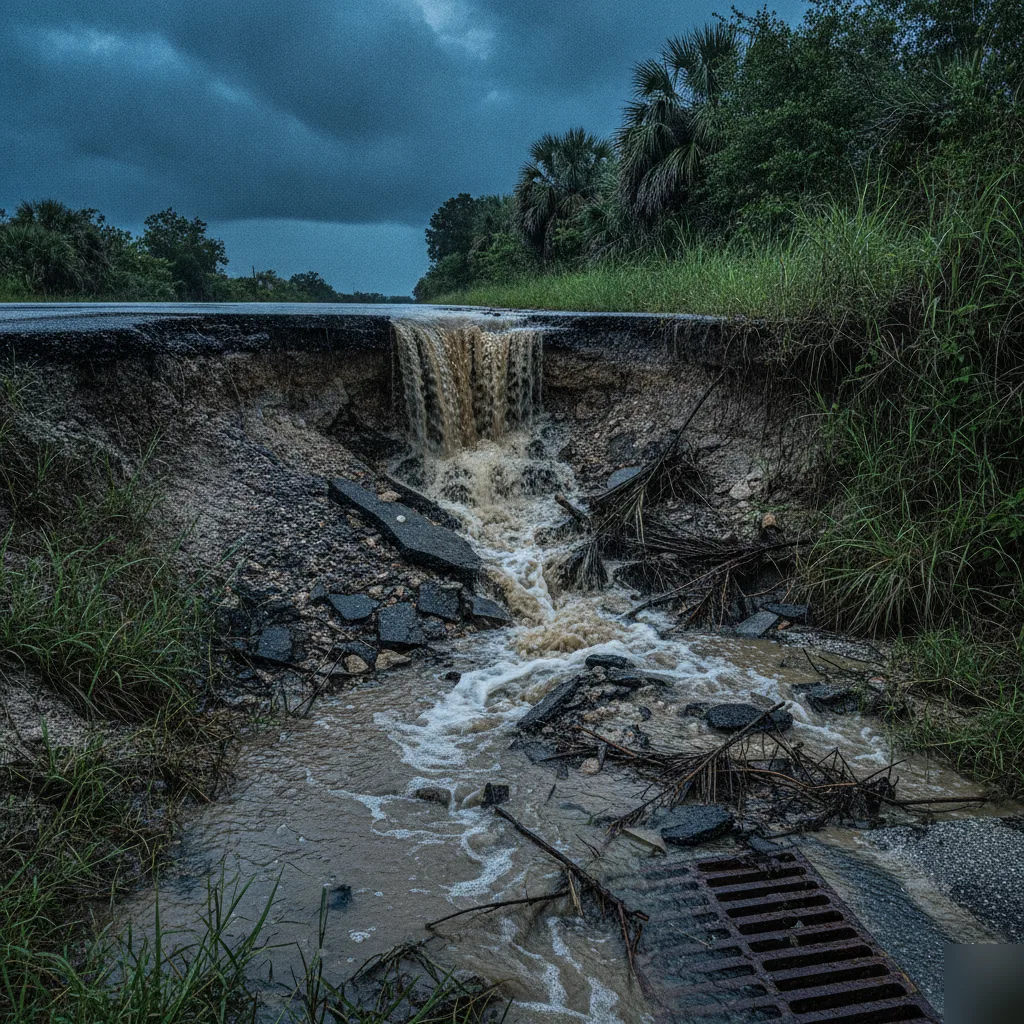
Rainwater eroding asphalt road shoulder edge during storm in Volusia County

What to Expect During Professional Asphalt Repair

Most property owners picture asphalt repair as someone showing up with a bag of cold patch and a shovel. That's not what a real repair looks like, and it's not what holds up.

Here's what happens. First, we mark out the damaged area. We check how deep the problem runs. Sometimes what looks like a small pothole goes down through the base. Around Volusia County, many lots sit on sandy subgrade. Once water reaches that layer, the sand shifts. The hole just keeps coming back. So step one is always figuring out if we're patching the top layer or rebuilding the base underneath.

  • We cut out the damaged asphalt in a clean, square shape. Ragged edges don't bond.
  • We check the base material and compact it if it's soft or washed out.
  • We install new asphalt in layers, compacting each one so it doesn't settle later.
  • We finish the surface flush with the surrounding pavement, no lip, no dip.

That's the honest version. Skip step two and you're just buying yourself a few dry months before the same spot fails again.

How long does it take? A single pothole or small section usually gets handled in a day. Larger areas, especially those tied to drainage problems, take longer. The base work needs to be right before anything goes down on top.

Weather matters too. Asphalt repair needs dry conditions to cure properly. Florida's summer rain pattern means we often work around afternoon storms. That's part of scheduling this work here. It's why timing your repair before the wet season pays off.

Frequently Asked Questions

Common questions about Asphalt Repair

We schedule most site visits within a few days of your call, sooner if you've got standing water or a pothole that's growing fast. Volusia County's fern nurseries run heavy trucks over private roads and loading areas all year, so we know delays let small problems get worse fast.

When you call, tell us what you're seeing: cracking, sunken spots, or potholes. That helps us prioritize the visit and bring the right equipment the first time.

We walk the whole area first, not just the spot you're worried about. We check for alligator cracking, soft or spongy edges, and sunken spots that hold water after rain.

Because Volusia County sits on sandy soil, we also look near loading zones and drive lanes for early sunken tire tracks, since that often shows up before the surface itself cracks. Then we tell you plainly whether you need a patch, a resurface, or full replacement.

It depends on the width and whether water sits in it. A hairline crack under a quarter inch that drains fine after rain is usually just normal expansion from Florida's heat and cooler snaps.

But if the edges are uneven, water pools in it, or it's grown wider over the past year, that's water getting into the base layer. On Volusia County's sandy soil, that turns into a pothole fast once rainy season hits.

Small hairline cracks are fine to fill yourself with a store-bought filler as a stopgap. But potholes with soft or crumbling edges usually mean the base underneath has already failed, not just the surface.

Patching that yourself often just delays a bigger fix. We've walked lots in Volusia County where three rounds of DIY patching happened before anyone called us, and by then half the base needed full replacement.

It's the soak-and-bake cycle from June through September. Fast afternoon storms dump water into cracks, it works down into the base, softens the ground, then the sun bakes the surface again with no support underneath.

Add the weight from fern nursery trucks and ag equipment running the same access roads daily, and a hairline crack can turn into a real pothole in one wet season if it's not checked.

It depends on what's happening under the surface, not just what you see on top. Small cracks and potholes under two feet across, with a sound base, are usually patch-and-repair jobs. Worn surfaces over a big area with no structural failure are often good resurfacing candidates.

But wide alligator cracking, rutting, or a base that's been softened by standing water for a season or more means patching just delays a full section replacement.

Call For Quick, Professional Asphalt Repair in Volusia County FL

Don't wait until small problems become expensive emergencies. Call now for your asphalt inspection.