Get a professional, licensed, expert paving contractor to your property this week. Asphalt Maintenance in Volusia, Flagler, Lake, Putnam, Seminole, Brevard Counties (East Central Florida).
Here's what nobody tells you about pavement damage: it never starts big. It starts small, and it starts quiet.
By the time you see a pothole, you're looking at months of moisture doing damage underneath. We often get calls from property owners who say "it just happened overnight." It didn't. It's been building for a while.
So what should you be watching for? A few things tend to show up first.
That last one matters more in Volusia County than many realize. With the fern and foliage nurseries around town, many properties see regular truck traffic moving products. Heavy loads stress the surface repeatedly. Rutting appears faster there than on a lot that only sees regular car traffic.
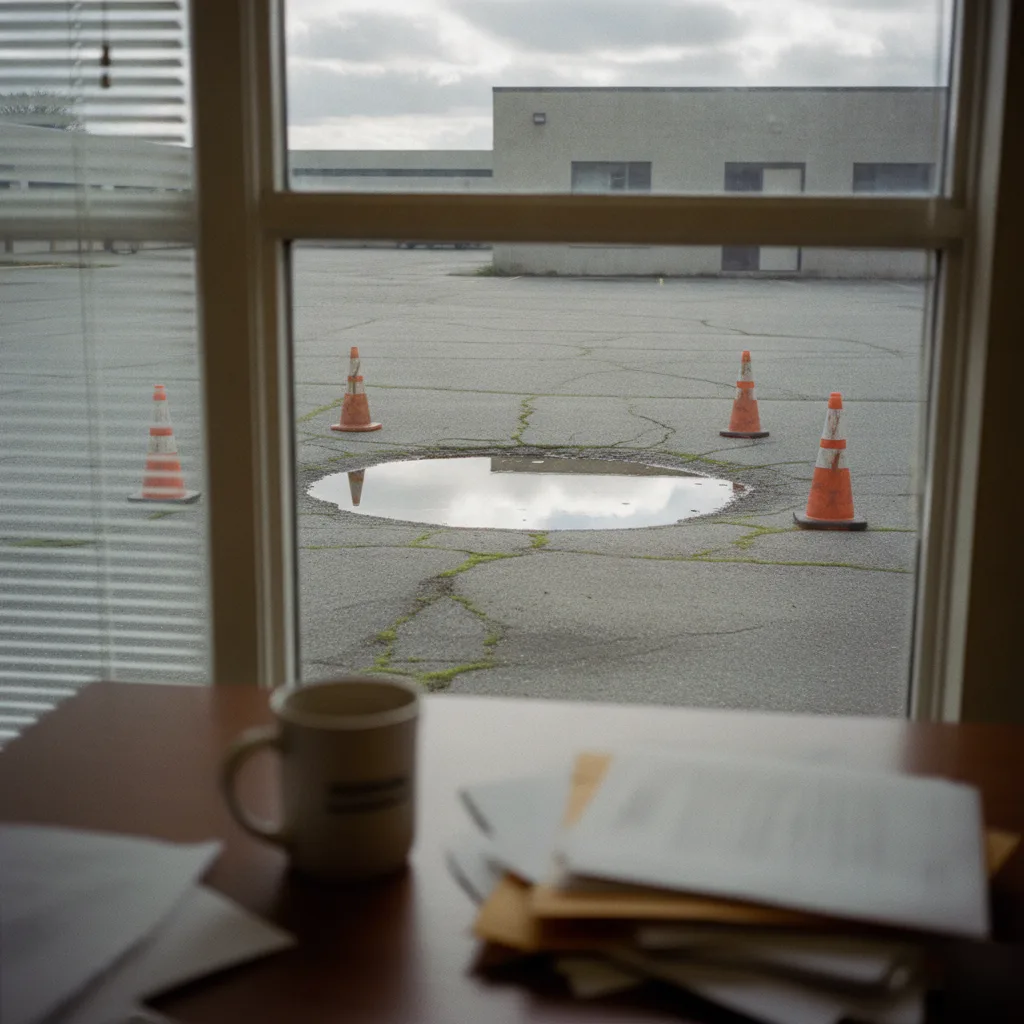
Standing water is another serious sign. Florida's sandy soil drains unevenly, so a puddle that won't go away usually points to the base underneath having shifted or settled.
Now, alligator cracking, yeah, that's the real term, needs immediate attention. It looks like a pattern of connected cracks, like reptile skin. Once you see that, you're past a surface problem. That's structural, and it only gets worse from there.
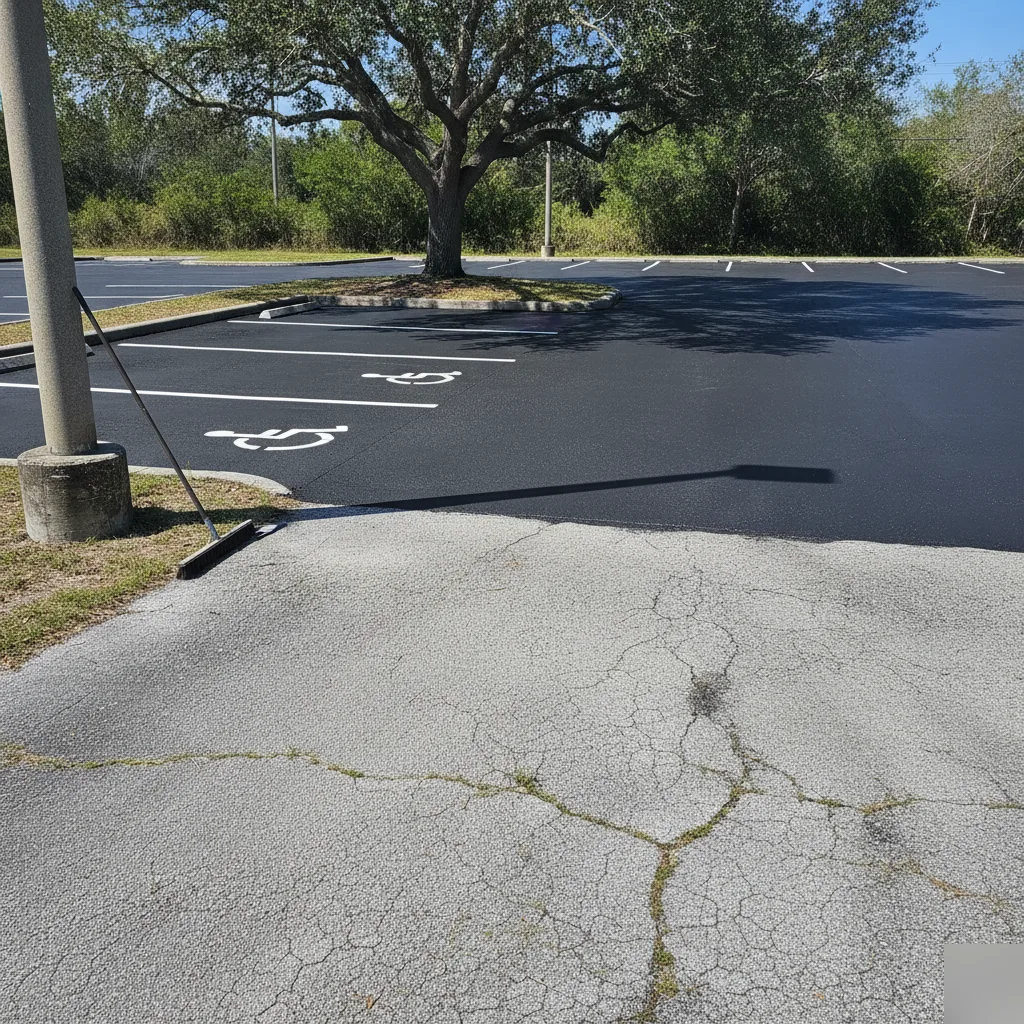
Asphalt maintenance isn't one job. It's a series of jobs. Together, they prevent your parking lot or driveway from becoming a major project later. For properties in Volusia County, this often includes seal coating, crack filling, line striping, and pothole patching, sometimes all in the same visit. Asphalt Contractor in East Central Florida - Blacktop by Beede Paving Asphalt Contractor in East Central Florida - Blacktop by Beede Paving
Seal coating protects the surface from Florida sun and the sandy Volusia County soil that moves under heavy rain. Crack filling stops water from getting under the asphalt. Here, the issue is not freeze-thaw; it's roots and rain finding a way in. Line striping maintains legibility for ADA compliance and traffic flow. Pothole patching fixes areas where water already caused damage.
Here's what nobody tells you about asphalt maintenance: it's cheaper every time you do it early. A crack that costs pennies to fill this season turns into a pothole that costs more next season. We see this regularly; someone calls about one bad spot and we find six more starting nearby.
Not every property needs every service every year. A small office lot near a fern farm access road could need crack filling and a fresh coat every couple years. A busier commercial lot handling delivery trucks daily wears quicker and needs more care.
Blacktop by Beede Paving handles asphalt paving, repair, and maintenance work across East Central Florida. We are licensed and insured, and we've been doing this since 2000.
Not every lot in Volusia County can be saved with seal coating and crack filling. That's the truth. Maintenance works on pavement with a solid base, where damage stays on the surface. Once the damage runs deeper, you're just putting a bandage on a broken bone.
Here's how you know you've crossed that line. Alligator cracking, that web pattern, like reptile skin, means the base underneath has already failed. Seal coating won't fix that, nor will crack filling. If you're seeing potholes reappear in the same spot every few months, that's another sign. We patch these areas often. However, repeat failures usually point to a subgrade issue, not just a surface one.
Volusia County sits on sandy soil. That soil shifts more than clay-heavy ground up north. Many older parking areas were built with thinner base layers than what we'd spec today. As the National Asphalt Pavement Association explains, pavement design starts with testing the soil underneath to confirm it can carry the intended traffic load — a step plenty of older lots around here never got. Heavy summer rain then speeds up base failure. So, a lot with widespread alligator cracking or standing water that won't drain likely needs asphalt resurfacing, milling, or full removal, not another round of maintenance.
I've walked lots where the owner spent years on maintenance that should've gone toward a real fix. That's money that didn't buy them much.
Ask yourself this before you call anyone: is the damage isolated, or is it spreading across the whole lot? Isolated cracks and small potholes, maintenance still makes sense. Widespread cracking, sunken areas, or a base that flexes under your foot when you walk it, that's a different job. Any honest contractor will tell you that upfront, rather than selling a seal coating job that won't hold.
Thinking about Asphalt Maintenance in Pierson? Let's talk.
Get Your Free Estimate Today. Blacktop by Beede Paving is ready to help.
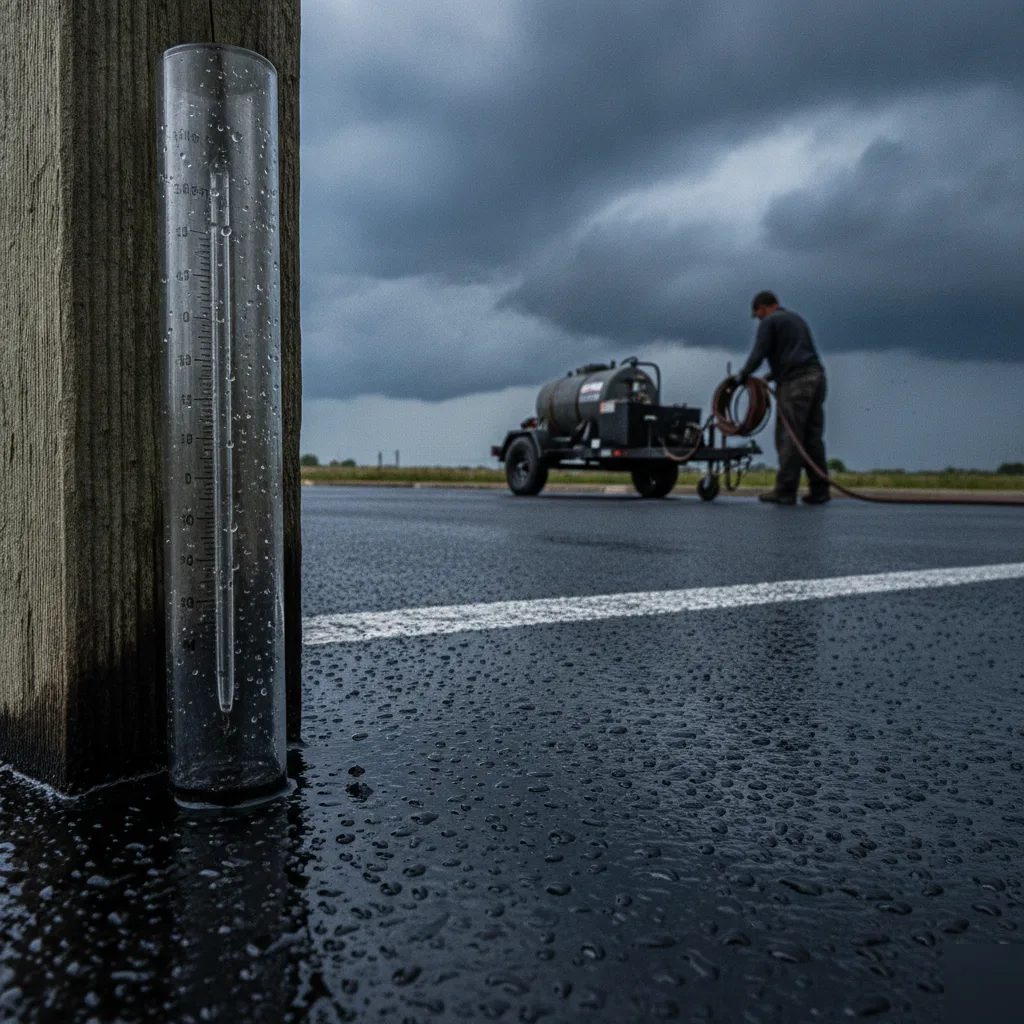
Here's something most property owners in Volusia County don't think about until it's too late. Florida's wet season runs roughly June through September, and that period brings near-daily afternoon storms. Both seal coating and crack sealing need dry pavement and weather to cure correctly. Rushing the job before a downpour wastes your money.
We plan around this every season. The window that works best is late fall through early spring, when Volusia County sees consecutive dry, mild days. Asphalt cures fully then, rather than getting rained on midway.
Crack filling has more urgency than seal coating once wet season starts. Why? Because open cracks let rainwater straight down into the base layer. Volusia County's fern farming roads and rural lots see heavy truck traffic moving equipment, and water sitting under pavement quickly turns small cracks into potholes. Get cracks filled before June and you've cut off that path completely.
Seal coating is more flexible, but not much more. Applied too close to a storm, it can wash out before setting. Then you redo work that should've lasted years. We've watched other contractors chase the calendar instead of the forecast, and it never ends well for the customer.
So what do you do if your lot needs work in July? Call anyway. We, licensed and insured, will look at your pavement and advise if it's a 'wait-for-the-window' job or if it needs immediate attention. Sometimes a temporary patch buys you time until conditions cooperate. That's a better answer than a rushed job that fails in September.
Let's talk numbers,. No two parking lots price out the same. Anyone who quotes you over the phone without seeing the lot is guessing. Asphalt maintenance pricing depends on square footage, condition, and access. A quarter-acre lot with a few cracks costs less to maintain than the same size lot with alligator cracking spreading across the surface. That's just how it works.
Square footage drives the base number. Beyond that, a few things push cost up or down.
Volusia County sits on sandy soil. That soil shifts more than clay-heavy ground up north. Lots that skip sub-base attention here need more patching sooner. This changes the maintenance math later.
Here's what we ask before we talk numbers: When was this lot last sealed? What's underneath the failing spots? Sometimes a cracked section looks small on top but goes deep, and that changes the whole scope.
Ask any contractor for a written scope before you sign anything. A quote saying "seal coating and stripe" without square footage or materials breakdown is a red flag. You want line items, not a guess on a napkin.
One more thing to ask: Does the price include crack filling before seal coating goes down? Skipping that step often means redoing work within a year or two.
Watch for hairline cracks near curbs, faded gray patches, or small puddles that linger after rain. These are early signs that your pavement needs attention before real damage sets in.
If you spot any of these, call before the wet season starts in June. Cracks that stay open let rainwater soak into the base, and that turns a simple crack-filling job into a much bigger pothole repair down the road.
A crew first walks the lot to check for cracks, soft spots, or areas holding water before starting any work. You'll want the surface cleared of cars and debris so the team can fill cracks, patch potholes, or apply seal coat without stopping.
Weather matters too. Dry, mild days let the asphalt cure properly, so your crew will plan around Volusia's forecast rather than rushing ahead of a storm.
Heavy truck traffic hauling equipment and product puts more stress on pavement than regular car traffic. Lots near Volusia's fern and foliage operations see rutting and shallow grooves show up faster, especially where trucks turn or park.
If your property handles daily deliveries or heavy loads, plan on more frequent crack filling and seal coating than a small office lot would need.
Isolated cracks and small potholes usually still respond to maintenance, but alligator cracking or potholes that keep coming back in the same spot point to a deeper problem. That web-like cracking means the base under the asphalt has failed, and seal coating won't fix it.
Walk your lot and check if the damage is spread across the whole surface or just in a few spots. That tells you which job you need.
Late fall through early spring works best because Volusia sees longer stretches of dry, mild days during that window. Asphalt needs dry weather to cure fully, and rushing a job before one of Florida's near-daily summer storms wastes the work.
If you're waiting until June, get crack filling done first since open cracks let rainwater straight into the base and speed up pothole formation.
Don't wait until small problems become expensive emergencies. Call now for your asphalt inspection.